Curated collection

Japanese voices: poems, journeys and stories

Japanese recordings spanning the poetry of the Hyakunin Isshu, Bashō’s travels, modern poems, short tales, essays and novels. Familiar names sit alongside discoveries from a small LibriVox catalogue. The emphasis is on clearly described works and variety of form, with recording limits described in the recommendations. Some works depict death, suicide or exploitation. Most of these recordings share one reader; this selection is an invitation to explore, not a survey of all Japanese literature.

20 free audiobooks, about 42 hours

  1. Listen in MyVoxBox: 坊っちゃん (Botchan)

    坊っちゃん (Botchan)

    Why it is here A schoolteacher’s confrontations in Matsuyama make an energetic opening, with a different social setting from the later city novels.

    物理学校を卒業した坊ちゃんは、松山の中学へ、数学の教師として赴任する。さっそく、同僚にあだ名をつけた、校長は、狸。教頭は、赤シャツ。数学の主任は、山嵐。赤シャツの子分の画学の教師は、野だ。赤シャツに許嫁を奪われかかっている英語の教師は、うらなり。うらなり先生は、九州の延岡へ転勤させられ、それに抗議した、山嵐は、辞表をかかせられてしまった。最後に、山嵐と坊ちゃんは、赤シャツと野だをこてんぱんに殴って、船で、松山を後にする。坊ちゃんは、一ヶ月で、東京に帰り、昔からの下女である「清」と暮らし始める。

    Read moreShow less

    Botchan becomes a teacher in Matsuyama after he graduated from a school. He meets lots of trouble. After a month he quits the job and returns to Tokyo. (ekzemplaro)

    • 4 h 26 min
    • 11 sections
    • Japanese
    • Published 1906
    • Read by ekzemplaro

    Recording from LibriVox page for 坊っちゃん (Botchan)
    Listen in MyVoxBox: 坊っちゃん (Botchan)
  2. Listen in MyVoxBox: おくのほそ道 (Oku no Hosomichi)

    おくのほそ道 (Oku no Hosomichi)

    Why it is here A prose-and-verse journey brings an older literary voice and travel writing into a shelf otherwise weighted toward modern fiction.

    Oku no Hosomichi (meaning Narrow Road to Oku [the Deep North]) is a major work by Matsuo Bashō.

    Oku no Hosomichi was written based on a journey taken by Bashō in the late spring of 1689. He and his traveling companion Sora departed from Edo (modern-day Tokyo) for the northerly interior region known as Oku, propelled mostly by a desire to see the places about which the old poets wrote.

    Read moreShow less

    Travel in those days was, of course, very dangerous to one’s health, but Bashō was committed to a kind of poetic ideal of wandering. He travelled for about 156 days all together, covering thousands of miles mostly on foot. Of all of Bashō’s works, Oku no Hosomichi is best known.

    (Summary from Wikipedia)

    Summary adapted from Wikipedia, used under CC BY-SA 4.0.

    • 1 h 8 min
    • 5 sections
    • Japanese
    • Published 1694
    • Read by kaseumin

    Recording from LibriVox page for おくのほそ道 (Oku no Hosomichi)

    Listen in MyVoxBox: おくのほそ道 (Oku no Hosomichi)
  3. Listen in MyVoxBox: 杜子春 (Toshisyun)

    杜子春 (Toshisyun)

    Why it is here A compact tale of wealth, spiritual testing and compassion, adapted by Akutagawa from a Chinese story.

    『杜子春』(とししゅん)は、芥川龍之介の短編小説。1920年(大正9年)に雑誌『赤い鳥』にて発表された。中国の古典、鄭還古の『杜子春伝』を童話化したもの。 (ウィキペディア)

    Toshisyun was published on Akaitori (a magazine for children) in 1920. It's based on a story in China. (Summary by ekzemplaro)

    Read moreShow less

    Proof listened by April Gonzales & BubbleReader

    Summary adapted from Wikipedia, used under CC BY-SA 4.0.

    • 27 min
    • 6 sections
    • Japanese
    • Published 1920
    • Read by ekzemplaro

    Recording from LibriVox page for 杜子春 (Toshisyun)

    Listen in MyVoxBox: 杜子春 (Toshisyun)
  4. Listen in MyVoxBox: 雁 (Gan)

    雁 (Gan)

    Why it is here A woman’s constrained choices and a student’s passing encounters give this city novel a place beside the shelf’s more overtly comic or fantastic writing.

    語り手と同じ下宿にいた岡田は、無縁坂に住むお玉と、帽を取って挨拶をするようになった。お玉は、高利貸、末造の妾であった。ある日、青大将がお玉が飼っている紅雀を襲った。そこに岡田が通りかかり、蛇を退治してあげる。お玉は岡田と近づきになりたいと思い、末造が来ないと決まった日に、下女を帰らせ、岡田を待った。しかし、その日限り、岡田は一人でなく、行き帰りの二度とも連れ立って歩いていた。そして、岡田はその日を最後に、下宿を引き払って、ドイツに留学した。

    Read moreShow less

    The storyteller describes about the love between Okada (his friend) & Otama (a mistress of an usurer). Okada met Otama when he's walking around. (by ekzemplaro)

    • 3 h 42 min
    • 24 sections
    • Japanese
    • Published 1915
    • Read by ekzemplaro

    Recording from LibriVox page for 雁 (Gan)

    Listen in MyVoxBox: 雁 (Gan)
  5. Listen in MyVoxBox: 純情小曲集 (Junjyoshokyokusyu)

    純情小曲集 (Junjyoshokyokusyu)

    Why it is here Twenty-eight poems offer a concentrated change of form: early lyrics followed by poems of the poet’s home landscape. The recording covers the poems, not the source volume’s prose framing.

    萩原朔太郎の第4詩集です。文語調自由詩28編が収録されています。愛憐詩篇の18編は、作者が自由詩を始めた初期の作品です。郷土望景詩の10編は作者30代の時の作品で、前橋の風物を詠じています。口語自由詩を確立した作者の文語自由詩をお楽しみ下さい。

    The author's fourth collection of poetry. It includes 28 poems. (Summary by ekzemplaro)

    • 25 min
    • 28 sections
    • Japanese
    • Published 1925
    • Read by ekzemplaro

    Recording from LibriVox page for 純情小曲集 (Junjyoshokyokusyu)

    Listen in MyVoxBox: 純情小曲集 (Junjyoshokyokusyu)
  6. Listen in MyVoxBox: 高野聖 (Kouyahijiri)

    高野聖 (Kouyahijiri)

    Why it is here A travelling monk’s unsettling mountain encounter supplies the collection’s sustained supernatural story.

    高野山に籍を置く旅僧が、敦賀の宿で、道連れに語る物語。飛騨から信州へ抜ける峠道であった不思議な体験。本道をはずれて、旧道を行くと、沢山の蛇のいる所、蛭の降る森と散々な目に会う、そしてようやく、一軒の家があった。そこに、美しい、声も良く、ものやさしい婦人がいた。そして、更に不思議な事が続く。

    A bonze walks from Hida to Matsumoto. On a mountain pass he encounters strange things. (Summary by ekzemplaro)

    • 2 h 6 min
    • 26 sections
    • Japanese
    • Published 1900
    • Read by ekzemplaro

    Recording from LibriVox page for 高野聖 (Kouyahijiri)

    Listen in MyVoxBox: 高野聖 (Kouyahijiri)
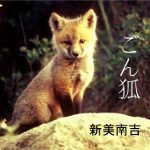
  7. Listen in MyVoxBox: ごん狐 (Gon gitsune)

    ごん狐 (Gon gitsune)

    Why it is here A short fox story gives a sharp example of failed communication and attempted kindness; its tragic ending matters more than its school-story familiarity.

    「ごん狐」は、新美南吉(1913-1943)が18歳の時に「赤い鳥」に発表しました。 度々、小学校の国語教科書に採用され、多くの日本人が知る童話です。 一人ぼっちの「ごん」は、やはり、一人ぼっちになった「兵十」との交流を願います。 しかし、「ごん」の期待に反して、悲劇的な結末を迎えます。

    Gon, the Little Fox (in Japanese: ごんぎつね: Gongitsune) is a famous Japanese children's story about the life of a little fox called Gon.

    Read moreShow less

    The story is considered the masterpiece of Niimi Nankichi, also sometimes known as the Hans Christian Andersen of Japan. (Summary by Wikipedia)

    Summary adapted from Wikipedia, used under CC BY-SA 4.0.

    • 16 min
    • 6 sections
    • Japanese
    • Published 1932
    • Read by ekzemplaro

    Recording from LibriVox page for ごん狐 (Gon gitsune)

    Listen in MyVoxBox: ごん狐 (Gon gitsune)
  8. Listen in MyVoxBox: 生まれいずる悩み (Umareizuru Nayami)

    生まれいずる悩み (Umareizuru Nayami)

    Why it is here A fisherman’s wish to paint widens the social and geographical range to work, artistic ambition and life in Hokkaido.

    北海道の岩内に住む漁師、木本は、画家になることを望み、札幌に住む語り手を尋ねて、自分の画を見せた。そして10年後、再び吹雪の中を語り手を尋ねる。木本は、実在の画家、木田金次郎をモデルとしています。漁船の遭難シーンは、すごい迫力です。

    A fisherman, who lives in Iwanai, Hokkaido, wishes to be a painter. He sends his works to a writer who then writes about his life. (Summary by ekzemplaro)

    • 2 h 43 min
    • 9 sections
    • Japanese
    • Published 1918
    • Read by ekzemplaro

    Recording from LibriVox page for 生まれいずる悩み (Umareizuru Nayami)

    Listen in MyVoxBox: 生まれいずる悩み (Umareizuru Nayami)
  9. Listen in MyVoxBox: ろまん燈籠 (Roman Dourou)

    ろまん燈籠 (Roman Dourou)

    Why it is here Five siblings invent a Rapunzel-like story together, bringing playful storytelling and family humour to a collection with many darker works.

    グリム童話のラプンツェルに設定が似た物語を、5人の兄弟姉妹が、正月に連作するという話。

    On new year's day 5 brothers & sisters write a story similar to Grimm Brothers' Rapunzel. (Summary by ekzemplaro)

    • 1 h 52 min
    • 6 sections
    • Japanese
    • Published 1941
    • Read by ekzemplaro

    Recording from LibriVox page for ろまん燈籠 (Roman Dourou)

    Listen in MyVoxBox: ろまん燈籠 (Roman Dourou)
  10. Listen in MyVoxBox: 小倉百人一首 (Ogura Hyakunin Isshu)

    小倉百人一首 (Ogura Hyakunin Isshu)

    Why it is here One hundred waka make the shelf reach beyond modern prose. The catalogue credits Fujiwara no Teika; he is the anthology’s compiler, not the author of all its poems.

    Hyakunin isshu (百人一首) is a traditional style of compiling Japanese waka poetry where each contributor writes one poem for the anthology.

    (Summary from Wikipedia)

    Summary adapted from Wikipedia, used under CC BY-SA 4.0.

    • 33 min
    • 10 sections
    • Japanese
    • Published 1909
    • Read by kaseumin

    Recording from LibriVox page for 小倉百人一首 (Ogura Hyakunin Isshu)

    Listen in MyVoxBox: 小倉百人一首 (Ogura Hyakunin Isshu)
  11. Listen in MyVoxBox: 蒲団 (Futon)

    蒲団 (Futon)

    Why it is here A writer’s attachment to his young pupil provides an uncomfortable study of jealousy and authority, useful beside the more external conflicts elsewhere on the shelf.

    竹中時雄は、東京に住む作家。三年前、岡山県の新見出身で、神戸に学んだ芳子が弟子にしてくれと言って来て、彼女を弟子にした。2人の間には、プラトニックな恋愛感情があった。 しかし、芳子に、京都に住む田中という恋人が出来て、状況は一変する。ついに田中は上京して来る。そして最後は、芳子が父と共に、帰郷することになる。

    This is a love story between writer (teacher) & a young female student. The scene is Tokyo. (Summary by ekzemplaro)

    • 2 h 29 min
    • 11 sections
    • Japanese
    • Published 1907
    • Read by ekzemplaro

    Recording from LibriVox page for 蒲団 (Futon)

    Listen in MyVoxBox: 蒲団 (Futon)
  12. Listen in MyVoxBox: 風立ちぬ (Kaze Tachinu)

    風立ちぬ (Kaze Tachinu)

    Why it is here A relationship shaped by illness and remembered after loss adds an intimate, reflective novel of moderate length.

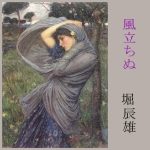
    信州の高原で、作家を志す青年と、絵を描く少女が出会った。やがて、二人は婚約する。しかし、少は、肺の病に落ちる。療養の為に、少女と青年は、信州のサナトリウムに行く。しかし、少女は帰らぬ人となってしまう。そして、一年後、青年は少女と出会った村で、冬を過ごす。

    A love story between a young man and a young lady. They are engaged but the heroine becomes sick. They go to a sanatorium, but she passes away. After a year he goes to the small village where they met, and he lives there during the winter. (Summary by ekzemplaro)

    • 2 h 40 min
    • 5 sections
    • Japanese
    • Published 1938
    • Read by ekzemplaro

    Recording from LibriVox page for 風立ちぬ (Kaze Tachinu)

    Listen in MyVoxBox: 風立ちぬ (Kaze Tachinu)
  13. Listen in MyVoxBox: 永日小品 (Eijitsu Syohin)

    永日小品 (Eijitsu Syohin)

    Why it is here Twenty-five sketches of everyday life and recollection give Sōseki a nonfiction presence and offer shorter stopping points between the novels.

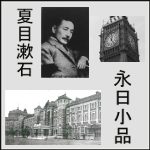
    これは、夏目漱石の随筆集です。1909年に朝日新聞に連載されました。東京での日常生活、ロンドンでの経験などが含まれています。

    This is a collection of essays by Natsume Soseki. They were published in the Asahi Newspaper in 1909. Included are essays about daily life in Tokyo and his experiences in London. (Summary by ekzemplaro)

    • 2 h 34 min
    • 25 sections
    • Japanese
    • Published 1909
    • Read by ekzemplaro

    Recording from LibriVox page for 永日小品 (Eijitsu Syohin)

    Listen in MyVoxBox: 永日小品 (Eijitsu Syohin)
  14. Listen in MyVoxBox: 恩讐の彼方に (Onsyuu no Kanata ni)

    恩讐の彼方に (Onsyuu no Kanata ni)

    Why it is here A killer turned priest and a son seeking revenge bring historical action and moral conflict into the selection.

    A samurai story of revenge. Ichikurou killed his master. He got away from Edo (Tokyo) with his lover. They became burglars. Then he became a Buddhist priest (bonze). He started to dig a tunnel near the riverside. Then his master's son appeared seeking revenge. (Summary by ekzemplaro)

    • 1 h 19 min
    • 4 sections
    • Japanese
    • Published 1919
    • Read by ekzemplaro

    Recording from LibriVox page for 恩讐の彼方に (Onsyuu no Kanata ni)

    Listen in MyVoxBox: 恩讐の彼方に (Onsyuu no Kanata ni)
  15. Listen in MyVoxBox: ふるさと (Furusato)

    ふるさと (Furusato)

    Why it is here Memories and imagined conversations around a childhood in Magome make a varied counterpoint to the collection’s adult urban fiction.

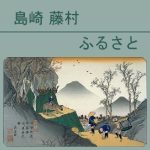
    著者の2冊目の童話集、自分の子供に語りかける形で記述している。その為、著者の父は、お祖父さん、母は、お祖母さんになっている。著者が9歳まで暮らした馬籠の様子が描かれている。馬、鳥、木などが擬人化され、著者と話をする。最後は、9歳の時に、中山道を東京に向かったことが書かれている。

    The author's second collection of children's stories. Fiction & Non fiction are included. He tells about his childhood at Magome in Nagano province. At the age of nine he left Magome and moved to Tokyo to study there. (Summary by ekzemplaro)

    • 2 h 36 min
    • 72 sections
    • Japanese
    • Published 1920
    • Read by ekzemplaro

    Recording from LibriVox page for ふるさと (Furusato)

    Listen in MyVoxBox: ふるさと (Furusato)
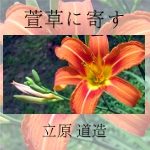
  16. Listen in MyVoxBox: 萱草に寄す (Wasuregusaniyosu)

    萱草に寄す (Wasuregusaniyosu)

    Why it is here Ten sonnets create a brief, self-contained poetry stop, contrasting with the older waka and Hagiwara’s larger set.

    立原道造の処女詩集です。10本のソネット(14行詩)を含みます。

    The author's first collection of poetries. It includes 10 sonnets.

    • 13 min
    • 10 sections
    • Japanese
    • Published 1937
    • Read by ekzemplaro

    Recording from LibriVox page for 萱草に寄す (Wasuregusaniyosu)

    Listen in MyVoxBox: 萱草に寄す (Wasuregusaniyosu)
  17. Listen in MyVoxBox: こころ (Kokoro)

    こころ (Kokoro)

    Why it is here A longer novel of trust, guilt and the relationship with Sensei anchors the shelf’s psychological fiction. It includes suicide, bereavement and emotional distress.

    語り手は、鎌倉の海岸で、先生と知り合いになる。東京に戻ってからも度々、先生の家を訪ねた。先生は、苦悩持っていた。先生の友人Kが、先生が若い頃に自殺をした。先生は、毎月、その友人の墓を訪ねていた。 語り手が、大学を卒業し、父の病の為に帰省したままで、東京に戻れない時、先生からの遺書を受け取った。その中で、先生はKが自殺した上京、そして自分の苦悩を語り手に伝えた。

    Read moreShow less

    The storyteller initially met Sensei at a bathing beach in Kamakura and later often visited Sensei in Tokyo. When Sensei was still young, his friend committed suicide, and Sensei visited his tomb every month. Only towards the end of his own life, Sensei comes to terms with his feelings of guilt. (by ekzemplaro)

    • 8 h 47 min
    • 110 sections
    • Japanese
    • Published 1914
    • Read by ekzemplaro

    Recording from LibriVox page for こころ (Kokoro)

    Listen in MyVoxBox: こころ (Kokoro)
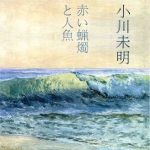
  18. Listen in MyVoxBox: 赤いろうそくと人魚 (Akai Rosoku to Ningyo)

    赤いろうそくと人魚 (Akai Rosoku to Ningyo)

    Why it is here A mermaid raised by candle sellers becomes the centre of a dark tale about greed and betrayal; its short length should not be mistaken for gentleness.

    小川未明(1882-1961)の代表作、「赤いろうそくと人魚」は1921年に東京朝日新聞に 掲載されました。老夫婦に育てられた女の子の人魚は、ろうそくに絵を描いて、商売を 繁盛させました。しかし、金に心を奪われた老夫婦は、娘を香具師に売り渡してしまいます。

    Red Candles and a Mermaid, the masterpiece of OGAWA Mimei (1882-1961) appeared on The Newspaper Tokyo-Asahi in 1921. A mermaid was raised by an elderly couple.

    Read moreShow less

    She painted on candles and made their business prosper. But the couple became greedy and sold their daughter to a circus. (Summary by Uchida Masatomo)

    • 21 min
    • 5 sections
    • Japanese
    • Published 1921
    • Read by ekzemplaro

    Recording from LibriVox page for 赤いろうそくと人魚 (Akai Rosoku to Ningyo)

    Listen in MyVoxBox: 赤いろうそくと人魚 (Akai Rosoku to Ningyo)
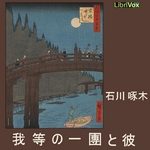
  19. Listen in MyVoxBox: 我等の一團と彼 (Warerano ichidan to kare)

    我等の一團と彼 (Warerano ichidan to kare)

    Why it is here A newspaper office and an ill colleague broaden the shelf’s working lives, and introduce Ishikawa through prose rather than implying that this is a poetry collection.

    歌人、石川啄木が書いた小説。新聞記者だった自身の体験も反映しているように思われる東京の新聞社の社会部の一団が登場する。主人公は、亀山、肺病になって結局、退社してしまう画工の松永、その松永の面倒をよく見た高橋などが登場する。

    The author is famous with Tanka (31-character poetry). But he also wrote several novels. He worked as a reporter at several newspapers. His experience reflects on this story.

    Read moreShow less

    This is a story among reporters at a newspaper company in Tokyo. (Summary by ekzemplaro)

    • 2 h
    • 6 sections
    • Japanese
    • Published 1912
    • Read by ekzemplaro

    Recording from LibriVox page for 我等の一團と彼 (Warerano ichidan to kare)

    Listen in MyVoxBox: 我等の一團と彼 (Warerano ichidan to kare)
  20. Listen in MyVoxBox: 幼年時代 (Yonenjidai)

    幼年時代 (Yonenjidai)

    Why it is here Childhood in Kanazawa, divided family ties and an affectionate adoptive sister bring a distinct autobiographical fictional perspective.

    著者の少年時代をモデルにした小説。金沢の犀川のほとりに住んだ、7歳から13歳までの様子が描かれています。実父母がいるにも関わらず、養家にだされた主人公は、しばしば、実家に行っていました。一日に2回もいくこともありました。しかし、実父が亡くなると、実母は、追い出されてしまい、2度と会えなくなってしまいます。そんな主人公の救いは、、養家の姉でした。血のつながりがなくても、実に仲が良い二人でした。しかし、その姉もまた、望まぬ所へ、嫁に行ってしまいます。

    Read moreShow less

    A story based on the author's childhood. He was born in Kanazawa City. He soon became a step child. (Summary by ekzemplaro)

    • 1 h 37 min
    • 11 sections
    • Japanese
    • Published 1919
    • Read by ekzemplaro

    Recording from LibriVox page for 幼年時代 (Yonenjidai)

    Listen in MyVoxBox: 幼年時代 (Yonenjidai)