Curated collection

Russian: Stories, Poetry and Ideas

Twenty-two Russian-language recordings, from novels and a one-act comedy to fairy tales, poetry and literary criticism. Familiar names sit beside Teffi, Lokhvitskaya, Levanda and Zaytsev; translations of Hoffmann and Sholem Aleichem widen the range. Choose a short work or settle into a longer book. The notes identify volumes, selections and edition details, so a single instalment is never mistaken for a complete series.

22 free audiobooks, about 111 hours

  1. Listen in MyVoxBox: Евгений Онегин (Eugene Onegin)

    Евгений Онегин (Eugene Onegin)

    Why it is here A verse novel gives the shelf a substantial poetic opening, with eight chapters that can also be heard separately.

    This novel in verses is an example of Russian classic literature. The plot tells about young nobleman moving to country from St. Petersburg, driving there not only by mansion inheritance from his uncle but by the spleen, to find friendship and love which will turn out disappointing and even a tragedy.

    Read moreShow less

    The main charm of the text is in its verses - the stanza consisted of 14 lines written in verses of iambic tetrameter has became classical since and has been called Onegin stanza.

    Этот роман в стихах является образцом классической русской литературы. В основе сюжета история молодого дворянина, который переезжает в деревню из Санкт-Петербурга не только для того, чтобы вступить в наследование имением своего дяди, но и из-за сплина, тоски. Здесь он находит дружбу и любовь, которые в итоге оказываются разочарованием и оборачиваются трагедией. Основная же прелесть текста в стихе, которым он написан - эта строфа из 14 строк четырехстопного ямба с тех пор так и называется "онегинской". (Summary by xenium5)

    • 2 h 50 min
    • 8 sections
    • Russian
    • Published 1874
    • Read by Xenium5

    Recording from LibriVox page for Евгений Онегин (Eugene Onegin)

    Listen in MyVoxBox: Евгений Онегин (Eugene Onegin)

  2. Listen in MyVoxBox: Белые ночи (White Nights)

    Белые ночи (White Nights)

    Why it is here A compact narrative of loneliness and a brief encounter offers a different scale from the long novels often associated with Dostoyevsky.

    Belye Nochi ”White Nights” by Fyodor Dostoyevsky. In this small story (though author states this is a sentimental novel) author describes in his traditional and particular way the internal world of one young lonely person.

    Read moreShow less

    The hero’s 26 years old man, who is oriented into his internal world, who’s rather shy, and thus is in real demand of a soulful conversations and love. The action takes place in the city of a real and deep sentiments and romance — Saint Petersburg, the most romantic and European city in Russia. Not only the location is important, but also a time of a day: all actions in the story take place in evening and night time — the famous time of white nights.

    Once, hero is going out to have a little daily promenade alone and he occasionally meets an attractive and lovely woman on evening streets of Saint Petersburg. Can he fell in love with her? Can they estimate the value of this relationship? Can they lead a happy life in this city of lonely hearts? You will know the answers on all these questions if you read or listen to a story.

    (Summary written by Yakovlev Valery)

    • 1 h 58 min
    • 7 sections
    • Russian
    • Published 1848
    • Read by Yakovlev Valery

    Recording from LibriVox page for Белые ночи (White Nights)

    Listen in MyVoxBox: Белые ночи (White Nights)
  3. Listen in MyVoxBox: Карусель (Carousel)

    Карусель (Carousel)

    Why it is here Forty-four short pieces make this a useful browseable collection of humour, social observation and uncomfortable encounters.

    Humorous short stories, "highly benevolent in their elegiac tone and profoundly humanitarian in their attitudes," as one of the critics said, by Nadezhda Lokhvitskaya (pen name Teffi). "I liked drawing caricatures and writing satirical verses" she said about herself. She was a sister of Mirra Lokhvitskaya, the "Russian Sappho", whose book Before the Sunset is available at LibriVox as well.

    Read moreShow less

    Юмористические рассказы Надежды Александровны Лохвицкой (псевдоним Тэффи), на фоне насмешки, проникнуты сочувствием к ее героям. Их высоко ценили самые непохожие литераторы, от Бунина до Горького. Тэффи была сестрой Мирры Лохвицкой, "Русской Сафо", сборник стихов которой "Перед закатом" также есть на Либривокс.

    (Summary by Mark Chulsky)

    • 7 h 2 min
    • 44 sections
    • Russian
    • Published 1913
    • Read by Mark Chulsky

    Recording from LibriVox page for Карусель (Carousel)

    Listen in MyVoxBox: Карусель (Carousel)
  4. Listen in MyVoxBox: Предложение (Predlozhenie)

    Предложение (Predlozhenie)

    Why it is here A half-hour one-act comedy adds an explicitly credited cast performance and a quick entry point into the shelf.

    «Предложение» — шутка в одном действии известного русского писателя Антона Павловича Чехова. Завершена данная пьеса была в ноябре 1888 года.

    Действие происходит в усадьбе Чубукова. Иван Васильевич Ломов приезжает к своему соседу, Степану Степановичу Чубукову, чтобы просить руки его дочери. Казалось бы, что может случиться?<

    Read moreShow less

    "The Proposal" - a joke in one act by famous Russian writer Anton Chekhov. This piece was completed in November 1888.

    The action takes place in Chubukov's estate. Ivan Lomov comes to his neighbor Stepan Chubukov to ask for his daughter's hand. So, what could happen? (ShiNeko, Wikipedia)

    Cast List Сценические ремарки: Anastasiia Solokha Степан Степанович Чубуков: tovarisch Наталья Степановна: Luiza Karimova Иван Васильевич Ломов: Mark Chulsky

    Summary adapted from Wikipedia, used under CC BY-SA 4.0.

    • 31 min
    • 1 section
    • Russian
    • Published 1897
    • Read by Mark Chulsky, tovarisch, Anastasiia Solokha and 1 other

    Recording from LibriVox page for Предложение (Predlozhenie)

    Listen in MyVoxBox: Предложение (Predlozhenie)
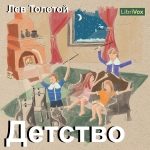
  5. Listen in MyVoxBox: Childhood - Детство (version 2)

    Childhood - Детство (version 2)

    Why it is here The child narrator’s household and social world supply a contrasting perspective on the adults elsewhere in the collection.

    Молодой Лев Толстой только ещё формирует свой стиль, порой делая забавные ошибки, в автобиографической повести "Детство". Повествование ведётся от имени мальчика дворянского сословия, находящегося на домашнем обучении, и насыщено искренним описанием его мыслей и чувств. (Summary by Hanna Ponomarenko)

    • 4 h 36 min
    • 28 sections
    • Russian
    • Published 1856
    • Read by radar, foxything, Wolfgang Bas and 7 others

    Recording from LibriVox page for Childhood - Детство (version 2)

    Listen in MyVoxBox: Childhood - Детство (version 2)
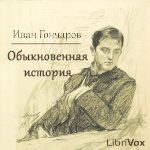
  6. Listen in MyVoxBox: Обыкновенная история

    Обыкновенная история

    Why it is here A long novel about expectations and adult life provides the shelf’s sustained Goncharov option with clear chapter-level evidence.

    Обыкновенная история» — роман воспитания, повествующий о взрослении молодого дворянина Александра Адуева. Полный противопоставлений (провинции со столицей, старшего поколения с молодым, и т.п.), роман имел широкий положительный отклик среди читающей публики и литературных критиков.

    Read moreShow less

    Впервые изданный в нескольких выпусках журнала "Современник" в 1847-м году и отдельной книгой в 1848-м, роман считается первым в неформальной трилогии (два другие - "Обломов" и "Обрыв") и занимает значимое место в творчестве Гончарова и всей русской литературе XIX века. (Summary by tovarisch, based on a Wikipedia article)

    Summary adapted from Wikipedia, used under CC BY-SA 4.0.

    • 12 h 17 min
    • 13 sections
    • Russian
    • Published 1912
    • Read by tovarisch

    Recording from LibriVox page for Обыкновенная история

    Listen in MyVoxBox: Обыкновенная история
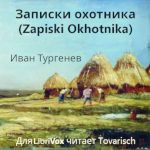
  7. Listen in MyVoxBox: Записки охотника (Zapiski Okhotnika)

    Записки охотника (Zapiski Okhotnika)

    Why it is here Twenty-five separate sketches make room for rural lives and the tensions of the landowning world, with flexible stopping points.

    Написанные и впервые вышедшие в свет в середине XIX века, "Записки Охотника" Ивана Сергеевича Тургенева открывают перед нами мир помещиков, чиновников, бедняков, работяг – мир противоречивый, многокрасочный, полный юмора, грусти, надежд. Описание жизни простых людей, их господ, отношений и событий, переплетено мастерски с картинами природы.

    Read moreShow less

    Тургенев доходчивым языком даёт нам насладиться деталями быта российской средней полосы (Орловская, Калужская, Тульская, Самарская, Тамбовская губернии) и с удивительной простотой рисует образы полей, лесов, рощ, неторопливых рек, так что читатель без усилий представляет себя участником описанных событий. (Автор краткого описания: tovarisch) Над проверкой работали Sonia, Anastasiia Solokha и sacapsie.

    • 13 h 55 min
    • 25 sections
    • Russian
    • Published 1852
    • Read by tovarisch

    Recording from LibriVox page for Записки охотника (Zapiski Okhotnika)

    Listen in MyVoxBox: Записки охотника (Zapiski Okhotnika)
  8. Listen in MyVoxBox: Конёк-Горбунок (The Humpbacked Horse)

    Конёк-Горбунок (The Humpbacked Horse)

    Why it is here A long fairy tale in verse adds a playful narrative form beside lyric poetry, novels and drama.

    The Humpbacked Horse (Конёк-Горбунок) is a version of the Golden-Maned Steed fairy-tale character type, although a large part of the plot of this story is based on Tsarevitch Ivan, the Fire Bird and the Gray Wolf. The titular little horse helps Ivan, a peasant’s son, carry out the many unreasonable demands of the czar.

    Read moreShow less

    During his adventures, Ivan captures the beautiful magic firebird for the czar, keeps his magic horse, and finds his love. - Summary by Wikipedia and Mark Chulsky

    Summary adapted from Wikipedia, used under CC BY-SA 4.0.

    • 1 h 47 min
    • 5 sections
    • Russian
    • Published 1902
    • Read by Mark Chulsky

    Recording from LibriVox page for Конёк-Горбунок (The Humpbacked Horse)

    Listen in MyVoxBox: Конёк-Горбунок (The Humpbacked Horse)
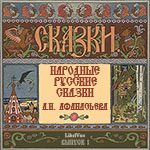
  9. Listen in MyVoxBox: Народные русские сказки (Russian Fairy Tales), Выпуск 1

    Народные русские сказки (Russian Fairy Tales), Выпуск 1

    Why it is here A first instalment of the recorded folk-tale collection offers animal tales, Baba Yaga and heroic adventures without presenting the entire multi-volume source as finished.

    Коллекция "Народные русские сказки" А.Н. Афанасьева впервые представила в печати народную сказочную традицию в своем многообразии и истинном виде, бережно сохраняя особенности ее самобытной поэтики. Немногие книги оказали столь же глубокое влияние на русскую культуру как этот сборник, ставший по словам В.И.

    Read moreShow less

    Проппа "в полном смысле этого слова народной книгой". В предлагаемой аудиокниге сказки читаются по изданию 1860-х годов (8 выпусков).

    Alexander Afanasyev's collection of Russian fairy tales was the first large edition to present this oral tradition in its authentic form, carefully preserving the poetry of its distinctive vernacular expressions. It became a standard primary source for the genre, exercising a far-reaching influence on Russian culture. Thе fairy tales in this audiobook are drawn from an 8-volume edition of the 1860s. ( Kazbek)

    • 3 h 9 min
    • 21 sections
    • Russian
    • Published 1863
    • Read by Mark Chulsky, Hanna Ponomarenko, Лена Сухая and 6 others

    Recording from LibriVox page for Народные русские сказки (Russian Fairy Tales), Выпуск 1

    Listen in MyVoxBox: Народные русские сказки (Russian Fairy Tales), Выпуск 1
  10. Listen in MyVoxBox: Сказки

    Сказки

    Why it is here Twenty-eight selected tales use animal fables and human figures to complement the shelf’s social comedies and political essays. This recording does not claim the author’s entire tale cycle.

    Сказочный цикл Салтыкова-Щедрина создавался писателем на протяжении 18 лет - с 1869 по 1886 год.

    Каждая из сказок Щедрина — законченное произведение. Действующие лица в них в основном звери, птицы, рыбы… но также и люди. Сказки Салтыкова-Щедрина можно разделить на несколько основных тематических групп.

    Read moreShow less

    Это сатира на правительственные верхи, эксплуататорские классы; обличение поведения и психологии обывательски настроенных интеллигентов; изображение трудолюбивых, талантливых, могучих и вместе с тем покорных своим угнетателям народных масс. - Summary by Lika and tovarisch

    • 10 h 48 min
    • 29 sections
    • Russian
    • Published 1889
    • Read by tovarisch and Lika

    Recording from LibriVox page for Сказки

    Listen in MyVoxBox: Сказки
  11. Listen in MyVoxBox: На краю света (On the Edge of the World)

    На краю света (On the Edge of the World)

    Why it is here A missionary expedition and its encounters add a concentrated narrative about belief and the limits of authority.

    Повесть основана на подлинном случае миссионерской деятельности архиепископа Нила (1799-1874), но написана с характерным для Лескова гротеском и тщательной шлифовкой персонажей. Затронута необычная для русской литературы 19-го века тема свободы вероисповедания.

    Read moreShow less

    "Making up things is hard labour for me, so I've always felt the need for having before me real faces which could intrigue me with their spirituality; then they get hold of me and I infuse them with new life, using some real-life stories as a basis," wrote Leskov about the characters of this book. Bigger than life characters meet at a missionary expedition to the Siberian North. The subject of freedom of faith is unusual for the 19-century Russian literature. - Summary by Mark Chulsky (& Wikipedia)

    Summary adapted from Wikipedia, used under CC BY-SA 4.0.

    • 3 h 29 min
    • 13 sections
    • Russian
    • Published 1902
    • Read by Mark Chulsky

    Recording from LibriVox page for На краю света (On the Edge of the World)

    Listen in MyVoxBox: На краю света (On the Edge of the World)
  12. Listen in MyVoxBox: Ocherki proshlago : razskazy

    Ocherki proshlago : razskazy

    Why it is here Six stories about a Jewish community broaden the collection beyond the most frequently encountered Russian-language authors.

    A collection of six short stories about life of a Jewish community in Poland. (Summary by MayaS)

    • 6 h 53 min
    • 15 sections
    • Russian
    • Published 1875
    • Read by Mark Chulsky and Maya S

    Recording from LibriVox page for Ocherki proshlago : razskazy

    Listen in MyVoxBox: Ocherki proshlago : razskazy
  13. Listen in MyVoxBox: Избранные (Из жизни маленьких людей)

    Избранные (Из жизни маленьких людей)

    Why it is here This connected narrative about townspeople seeking help in a large city adds Russian-language translation and a second, different Jewish literary perspective.

    Ироничное повествование о том, как "маленькие люди" приезжают в большой город по случаю чрезвычайного происшествия в их местечке.

    Благодарю Эллу Оршанскую и Светлану Король-Зарецкую за консультации и поддержку. (Автор краткого описания: Hanna Ponomarenko)

    • 1 h 43 min
    • 12 sections
    • Russian
    • Published 1911
    • Read by Hanna Ponomarenko

    Recording from LibriVox page for Избранные (Из жизни маленьких людей)

    Listen in MyVoxBox: Избранные (Из жизни маленьких людей)
  14. Listen in MyVoxBox: Чортова кукла

    Чортова кукла

    Why it is here A novel by Gippius brings another woman’s prose into a shelf whose catalogue is heavily weighted toward men, with social and political tensions in its Petersburg setting.

    This book is not exactly a novel, as presented, but rather a sampler of characters of St. Petersburg of the early 20th century. However, as it is presented as a novel, let's note that, as far as I could tell, this is the first Russian novel written by a woman. The Note to the Readers is read by Hanna Ponomarenko.

    Read moreShow less

    Зинаида Гиппиус сама говорит что это книга не о революции или революционерах. Книга о реакции тоже не вышла, вопреки намерениям автора. Как жанр, это не роман (хотя развязка присутствует, и мастерская!), а скорее картины нравов разных слоёв петербургского общества начала ХХ века, и именно это делает книгу интересной. Однако, раз уж книга объявлена как роман, то надо отметить что, насколько мне удалось установить, это первый русский роман написанный женщиной.

    Обращение к читателям от имени автора прочла Анна Пономаренко.

    (Summary by Mark Chulsky)

    • 8 h 49 min
    • 34 sections
    • Russian
    • Published 1911
    • Read by Mark Chulsky and Hanna Ponomarenko

    Recording from LibriVox page for Чортова кукла

    Listen in MyVoxBox: Чортова кукла
  15. Listen in MyVoxBox: Аграфена

    Аграфена

    Why it is here Thirty compact numbered units form a short prose alternative to the shelf’s longer nineteenth-century novels.

    Наиболее значительным дореволюционным произведением Зайцевa считают повесть «Аграфена», которую сравнивали с «Жизнью человека» Леонида Андреева и в которой находили влияние прозы Фёдора Сологуба.

    Read moreShow less

    The Agrafena story is considered the most important of his early works. - Summary by Mark Chulsky

    • 1 h 58 min
    • 6 sections
    • Russian
    • Published 1908
    • Read by Mark Chulsky

    Recording from LibriVox page for Аграфена

    Listen in MyVoxBox: Аграфена
  16. Listen in MyVoxBox: Перед закатом / Before the Sunset

    Перед закатом / Before the Sunset

    Why it is here A short poetry volume gives listeners room to discover Lokhvitskaya alongside the better-known names in the selection.

    Mirra Lokhvitsky was a Russian poet who rose to fame in the late 1890s, her books of poetry received the prestigious Pushkin Prize. Due to the erotic sensuality of her works, Lokhvitsky was regarded as the "Russian Sappho" by her contemporaries.

    Read moreShow less

    Forgotten in the Soviet times, in the late 20th century her legacy was reassessed, and she came to be regarded as one of the most original and influential voices of the Silver Age of Russian Poetry.

    К концу 1890-х годов достигшая творческого пика и массового признания, вскоре после смерти Лохвицкая была практически забыта. В конце ХХ века интерес к творчеству поэтессы возродился; некоторые исследователи считают её основоположницей русской «женской поэзии», открывшей путь Ахматовой и Цветаевой. Сборник был издан родственниками поэтессы в дополнение к прижизненному собранию сочинений (Wikipedia, Mark Chulsky)

    Summary adapted from Wikipedia, used under CC BY-SA 4.0.

    • 59 min
    • 5 sections
    • Russian
    • Published 1908
    • Read by Mark Chulsky

    Recording from LibriVox page for Перед закатом / Before the Sunset

    Listen in MyVoxBox: Перед закатом / Before the Sunset
  17. Listen in MyVoxBox: Камень (Kamen)

    Камень (Kamen)

    Why it is here A compact route into Mandelstam through the 1916 version of Камень, covering poems dated 1908–1915. Some texts differ from later revisions.

    Книга стихов "Камень" (1916). Некоторые из стихотворений этого раннего собрания отличаются от знакомых слушателю более поздних редакций.

    Poetry collection "The Stone" (1916). Some poems in this early volume vary from the later versions loved by many readers. (M. Chulsky)

    • 1 h 3 min
    • 5 sections
    • Russian
    • Published 1916
    • Read by Mark Chulsky

    Recording from LibriVox page for Камень (Kamen)

    Listen in MyVoxBox: Камень (Kamen)
  18. Listen in MyVoxBox: Кипарисовый ларец (Juniper Coffret)

    Кипарисовый ларец (Juniper Coffret)

    Why it is here A volume arranged in groups rather than isolated famous poems offers a second substantial way into lyric poetry.

    Innokenty Annensky, 1855-1909, was a poet, playwright, and scholar. Influenced Russian acmeism and futurism of the Silver Age. First Russian poet-existentialist.

    Read moreShow less

    Juniper Coffret is his last poetry collection, published posthumously.

    Иннокентий Анненский, 1855-1909, поэт, драматург и учитель. Оказал влияние на такие течения русского символизма как акмеизм и футуризм (Ахматова, Пастернак, Г. Иванов). Защитил Н.С.Гумилева от отчисления из гимназии за неуспеваемость ("это [плохие отметки] правда, но ведь он пишет стихи"). Близок по настроению к экзистенциализму (хотя экзистенциализм как направление определился через 20 лет после смерти И.А.)

    "Кипарисовый ларец" последняя, посмертная книга стихов Иннокентия Анненского. - Summary by Mark Chulsky

    • 2 h 16 min
    • 8 sections
    • Russian
    • Published 1910
    • Read by Mark Chulsky

    Recording from LibriVox page for Кипарисовый ларец (Juniper Coffret)

    Listen in MyVoxBox: Кипарисовый ларец (Juniper Coffret)
  19. Listen in MyVoxBox: Woe from Wit [Горе от ума]

    Woe from Wit [Горе от ума]

    Why it is here A full-length verse comedy complements Chekhov’s shorter play and the prose satires with a sustained social argument in dialogue.

    Woe from Wit (Russian: Горе от ума, also translated as "The Woes of Wit", "Wit Works Woe" and so forth) is Alexander Griboedov's comedy in verse, satirizing the society of post-Napoleonic Moscow, or, as a high official in the play styled it, "a pasquinade on Moscow."

    Read moreShow less

    The play, written in 1823 in the countryside and in Tiflis, was not passed by the censorship for the stage, and only portions of it were allowed to appear in an almanac for 1825. But it was read out by the author to "all Moscow" and to "all Petersburg" and circulated in innumerable copies, so it was as good as published in 1825; it was not, however, actually published until 1833, after the author's death, with significant cuts, and was not published in full until 1861.

    The play was a compulsory work in Russian literature lessons in Soviet schools, and is still considered a golden classic in modern Russia and other Russian-speaking countries.

    The play gave rise to numerous catch phrases in the Russian language, including the title itself. Many of them sound rather comic today because of their somewhat archaic language. (Introduction by Wikipedia)

    Summary adapted from Wikipedia, used under CC BY-SA 4.0.

    • 2 h 20 min
    • 10 sections
    • Russian
    • Published 1861
    • Read by Irina Grinberg

    Recording from LibriVox page for Woe from Wit [Горе от ума]

    Listen in MyVoxBox: Woe from Wit [Горе от ума]
  20. Listen in MyVoxBox: Щелкунчик и мышиный царь

    Щелкунчик и мышиный царь

    Why it is here A Russian translation of Hoffmann adds imaginative prose from outside the Russian literary tradition and a clear seasonal option within an evergreen shelf.

    Рождественская повесть-сказка о чудесных приключениях девочки Маши и её игрушки. Данный перевод на русский язык этой известной истории был опубликован через несколько лет после премьеры балета "Щелкунчик" П.И. Чайковского, состоявшейся в 1892 г. (Автор аннотации: Hanna Ponomarenko)

    Read moreShow less

    Proof-listening done by HandmadePSK and Hanna Ponomarenko

    • 2 h 48 min
    • 14 sections
    • Russian
    • Published 1898
    • Read by Mark Chulsky, Anastasiia Solokha, T.Honcharyk and 3 others

    Recording from LibriVox page for Щелкунчик и мышиный царь

    Listen in MyVoxBox: Щелкунчик и мышиный царь
  21. Listen in MyVoxBox: Вехи-Сборник статей о русской интеллигенции (Vekhi)

    Вехи-Сборник статей о русской интеллигенции (Vekhi)

    Why it is here Seven essays and their preface make political and philosophical argument a substantive part of the shelf instead of treating Russian listening as fiction alone.

    Сборник «Вехи» объединяет философские эссе, посвященные русской интеллигенции и её исторической роли. Появление сборника в 1909-м году вызвало широкий общественный резонанс.

    Read moreShow less

    Авторы статей (Н. А. Бер­дя­ев, С. Н. Бул­га­ков, М. О. Гер­шен­зон, А. С. Из­го­ев, Б. А. Кис­тя­ков­ский, П. Б. Стру­ве и С. Л. Франк), анализировали свой опыт участия в революции 1905-го года, и подвергли критике революционную интеллигенцию, упрекнув её, помимо прочего, в возвышении политических целей над духовными ценностями. Они призывали русскую интеллигенцию отказаться от партийности в общественной жизни и мессианских видений в политике, и следовать принципам личной ответственности и укрепления правовых норм. Публикация сборника спровоцировала волну бурной полемики. Тезисы, представленные в нём, были отвергнуты большинством представителей социал-демократических и либеральных тенденций. Более полвека спустя, А. И. Солженицын напишет: «Вехи» и сегодня кажутся нам как бы присланными из будущего…

    Vekhi (Landmarks) is a collection of philosophical essays about the Russian intelligentsia and its historical role, originally published in 1909. Its authors (Nikolai Berdyaev, Sergei Bulgakov, Semyon Frank, Mikhail Gershenzon, Aron Izgoev, Bogdan Kistyakovski, and Peter Struve), analyzed their own experience as participants in the revolution of 1905, and leveled a number of criticisms at revolutionary intelligentsia, faulting it, in particular, for elevating political goals above spiritual values. They called for setting aside partisanship in the cultural sphere and messianic visions in politics, and embracing the principles of personal responsibility and rule of law. The publication of Vekhi provoked impassioned public debate. Its positions were rejected by most representatives of social-democratic and liberal currents. More than half a century later, Alexander Solzhenitsyn would write: "even today Vekhi seem to us as if they were sent from the future..." (Summary by Kazbek)

    • 8 h 59 min
    • 15 sections
    • Russian
    • Published 1909
    • Read by Kazbek

    Recording from LibriVox page for Вехи-Сборник статей о русской интеллигенции (Vekhi)

    Listen in MyVoxBox: Вехи-Сборник статей о русской интеллигенции (Vekhi)
  22. Listen in MyVoxBox: Through the Literature / Сквозь литературу

    Through the Literature / Сквозь литературу

    Why it is here Literary criticism gives interested listeners a way to revisit prose, poetry and literary technique after hearing the works themselves.

    Collection of literary studies and articles about writers and their styles by a prominent Russian literary scholar and historian of literature, Boris Eikhenbaum. He was one of the founders of the "Formal Method" in literature. (Summary by Mark Chulsky)

    • 11 h 10 min
    • 29 sections
    • Russian
    • Published 1924
    • Read by Mark Chulsky

    Recording from LibriVox page for Through the Literature / Сквозь литературу

    Listen in MyVoxBox: Through the Literature / Сквозь литературу